Hello and welcome to New Old Glass, a short little show where I take a look at some of the “new” old glass I’ve picked up. Or, as I like to call it: my badly planned retirement plan.
Today, we’re looking at the Soligor 135mm F2.8 in the M42 mount.
The Soligor 135mm was actually one of the lenses that originally ignited the spark that turned into a full-blown vintage gear wildfire. Unfortunately, I didn’t know much about optics when I first got it.
The front element wasn’t secured properly, and as you might know from my other videos, I don’t have the best track record with repairs. This lens is a prime example of that, it’s currently tucked away while I use this working copy for the review.
A Bit of History and Mystery
Soligor didn’t actually build their own lenses, they were a distributor that contracted Japanese factories. I actually have two versions of this lens.
My original one, the one that’s currently in pieces, has a completely different body style. Looking at the serial numbers, I found out why: that one was made by Sun Optical, while this working copy was made by Tokina.
It’s one of the quirks of the Soligor brand, you never quite know which Japanese factory’s character you’re getting until you check the code.
Technical Specifications
Aperture: 12-blade design
Optical Construction: 4 elements in 4 groups
Filter Thread: 55mm
Weight: 410g
Mount: M42
Build Quality and Quirky Controls
The build quality is pretty solid. The entire body is metal, including the focus ring.
The focus ring is still nice and smooth, which is a massive plus for me considering this glass is probably 60 years old. Then we have the aperture ring, which is a bit of an oddity.
The aperture ring looks like it runs both ways. Going to the left it runs from F2.8 to F22, and it goes the same way the other way, from F2.8 to F22.
I have never seen an aperture ring like this, which is a real oddity for me.
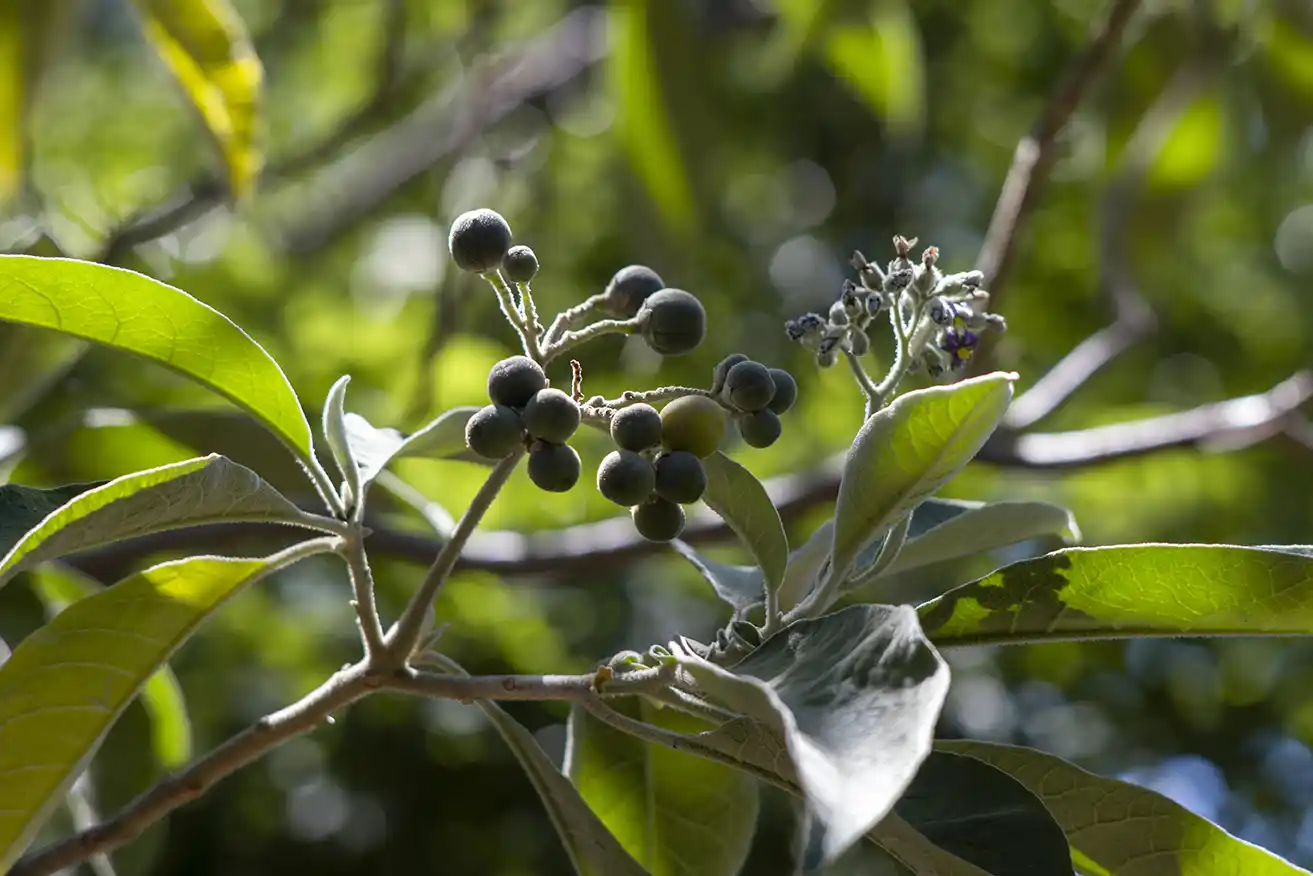

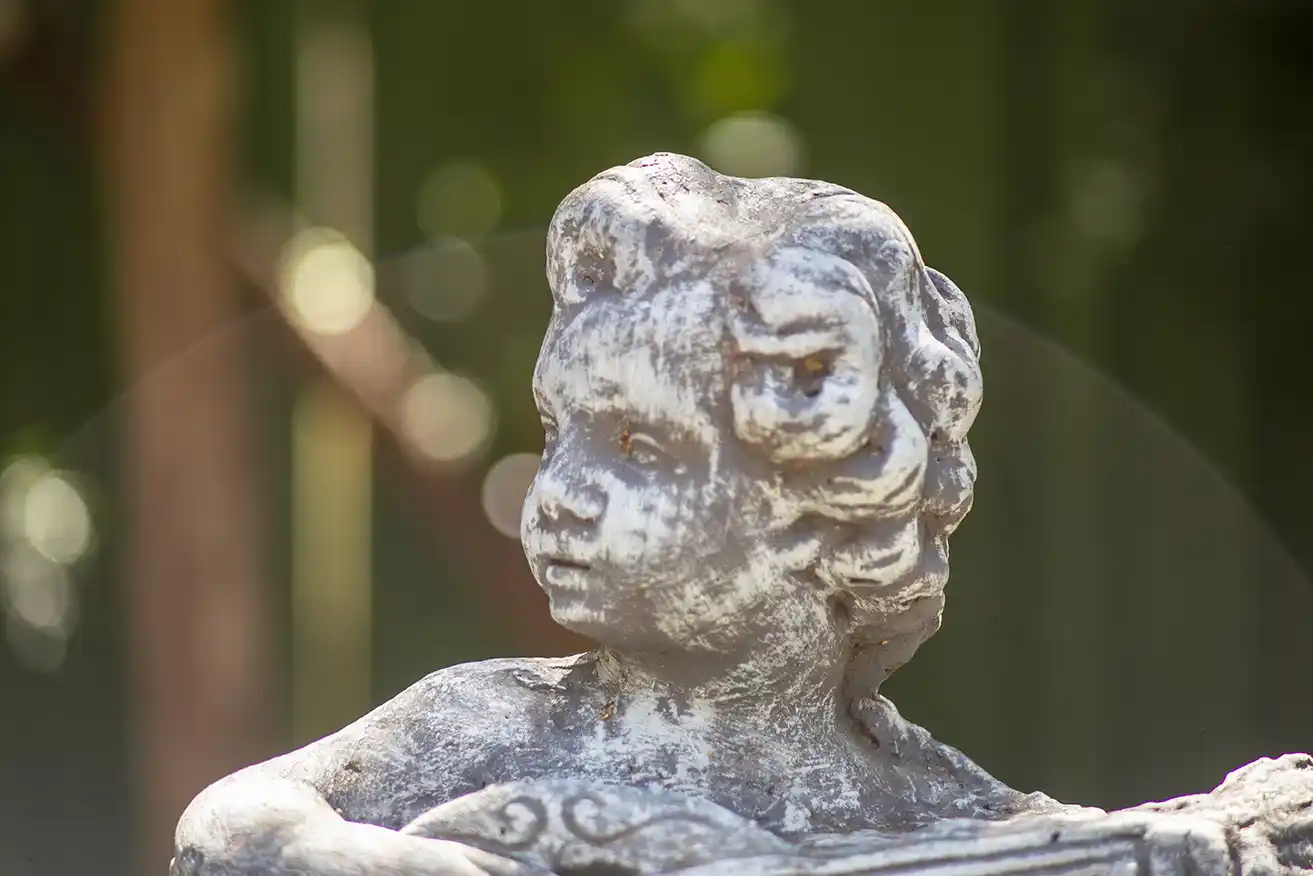
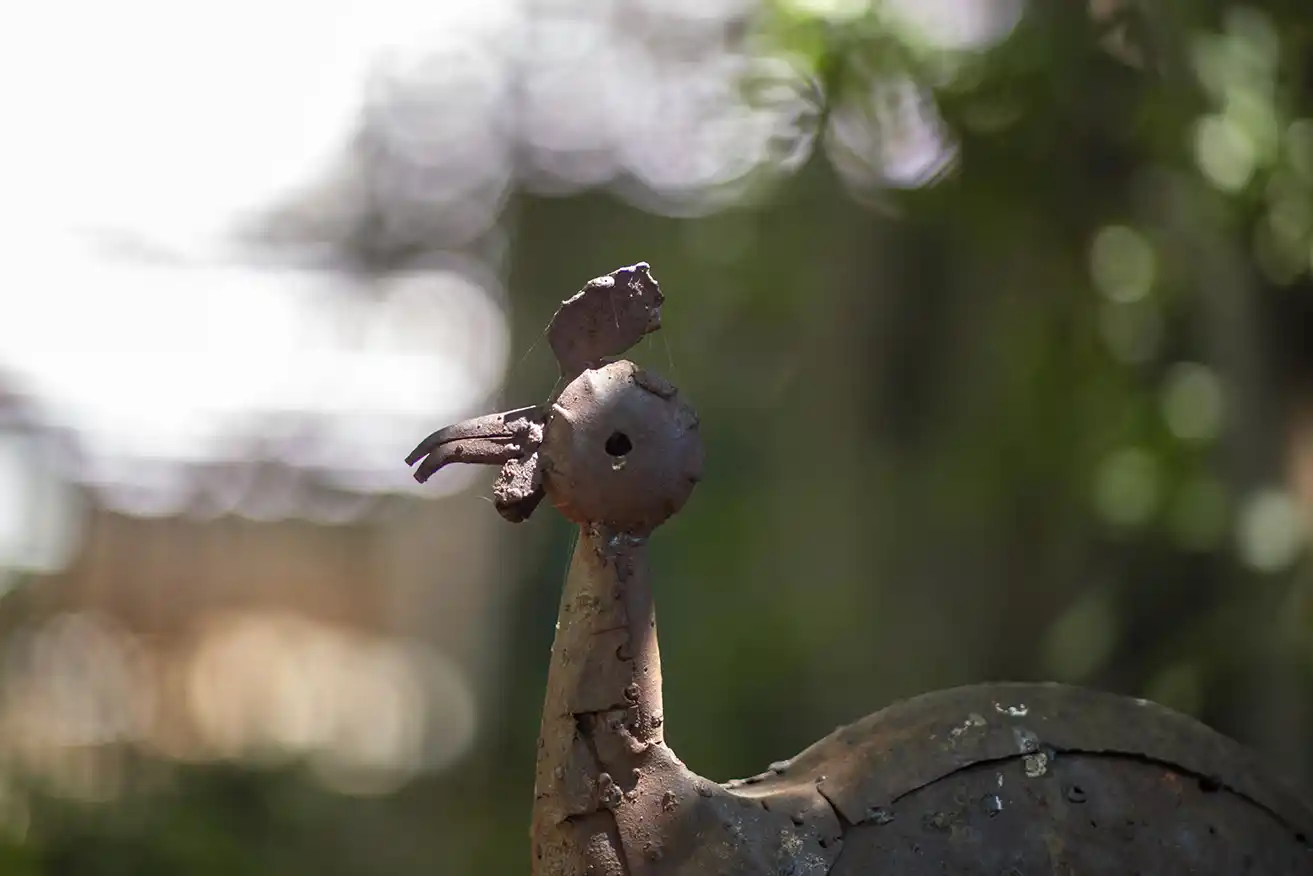
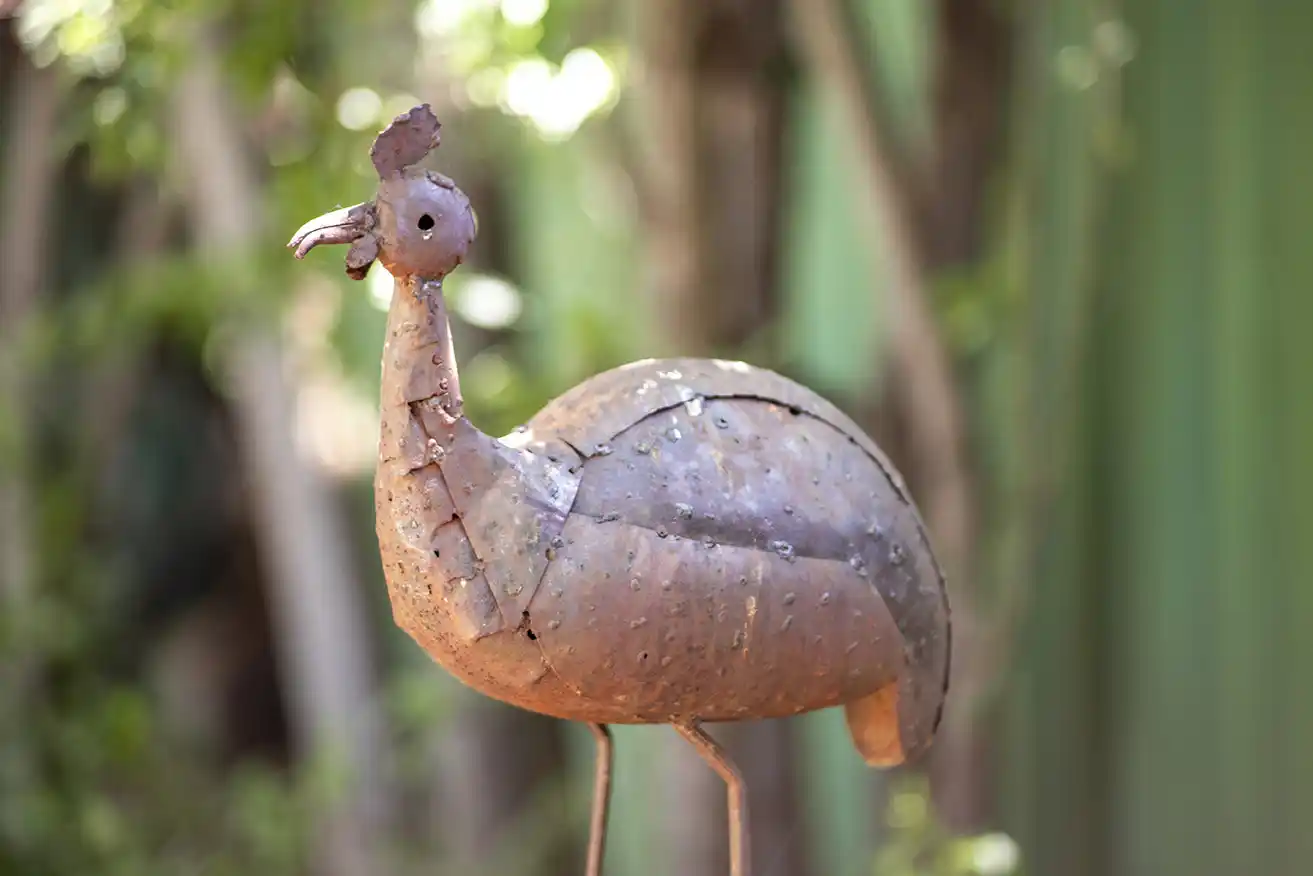
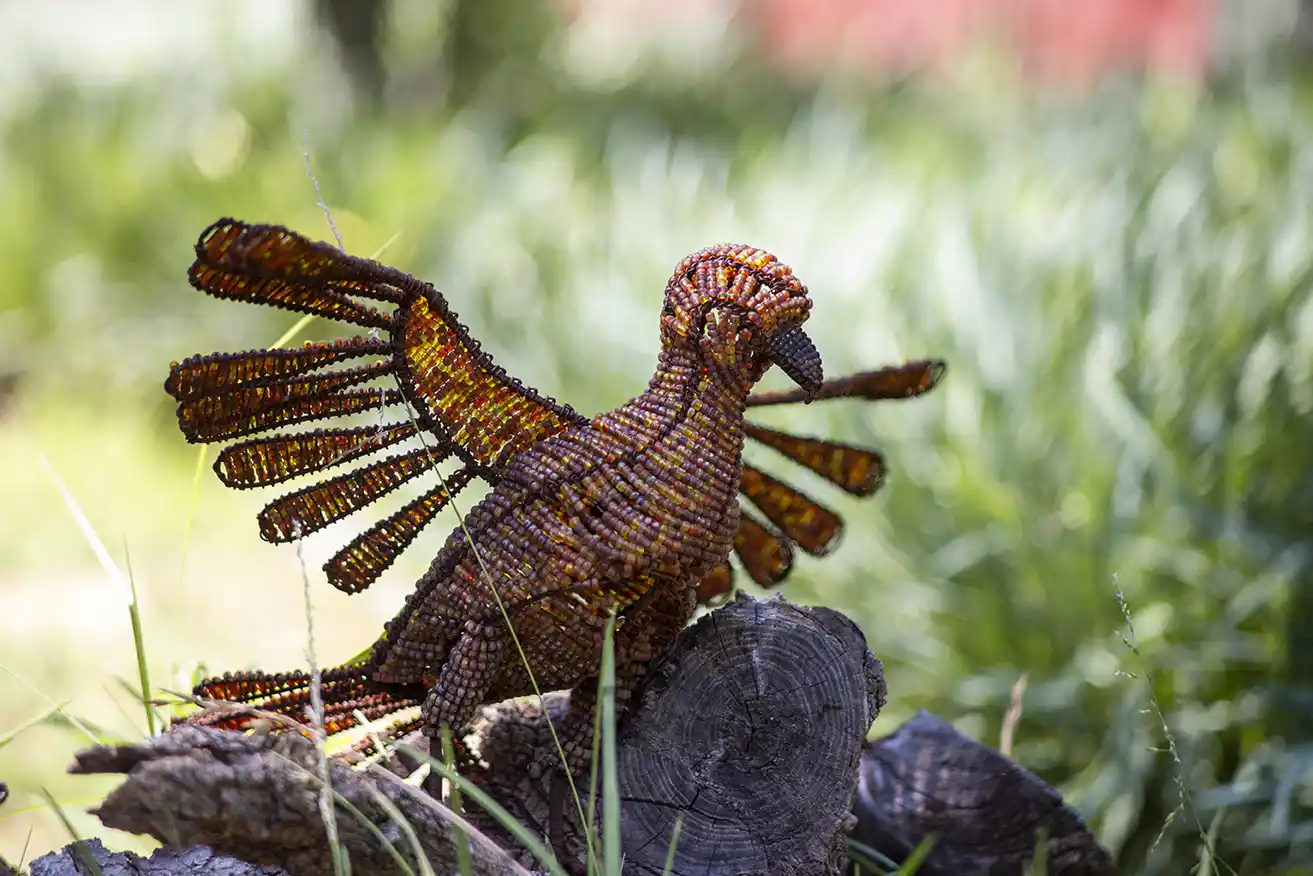
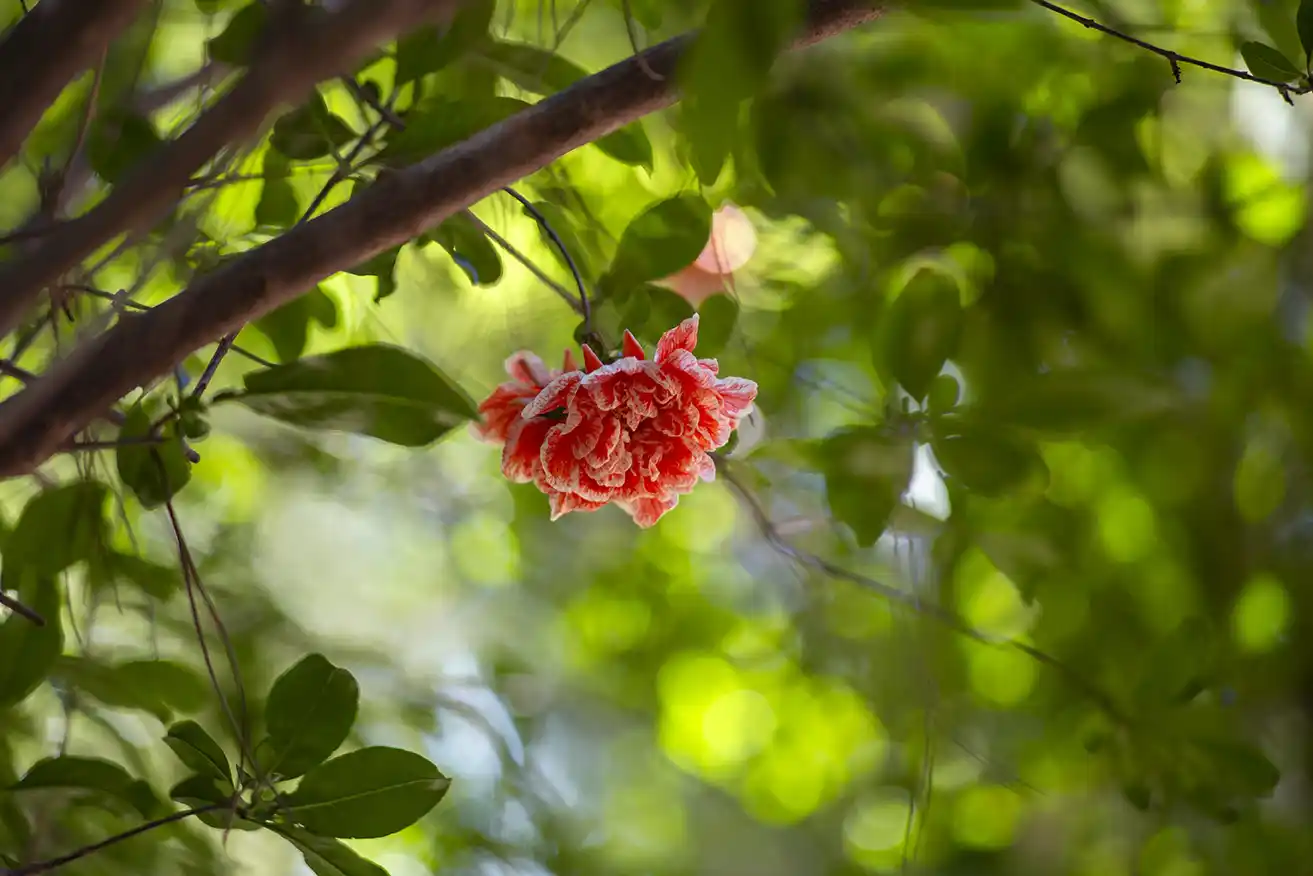
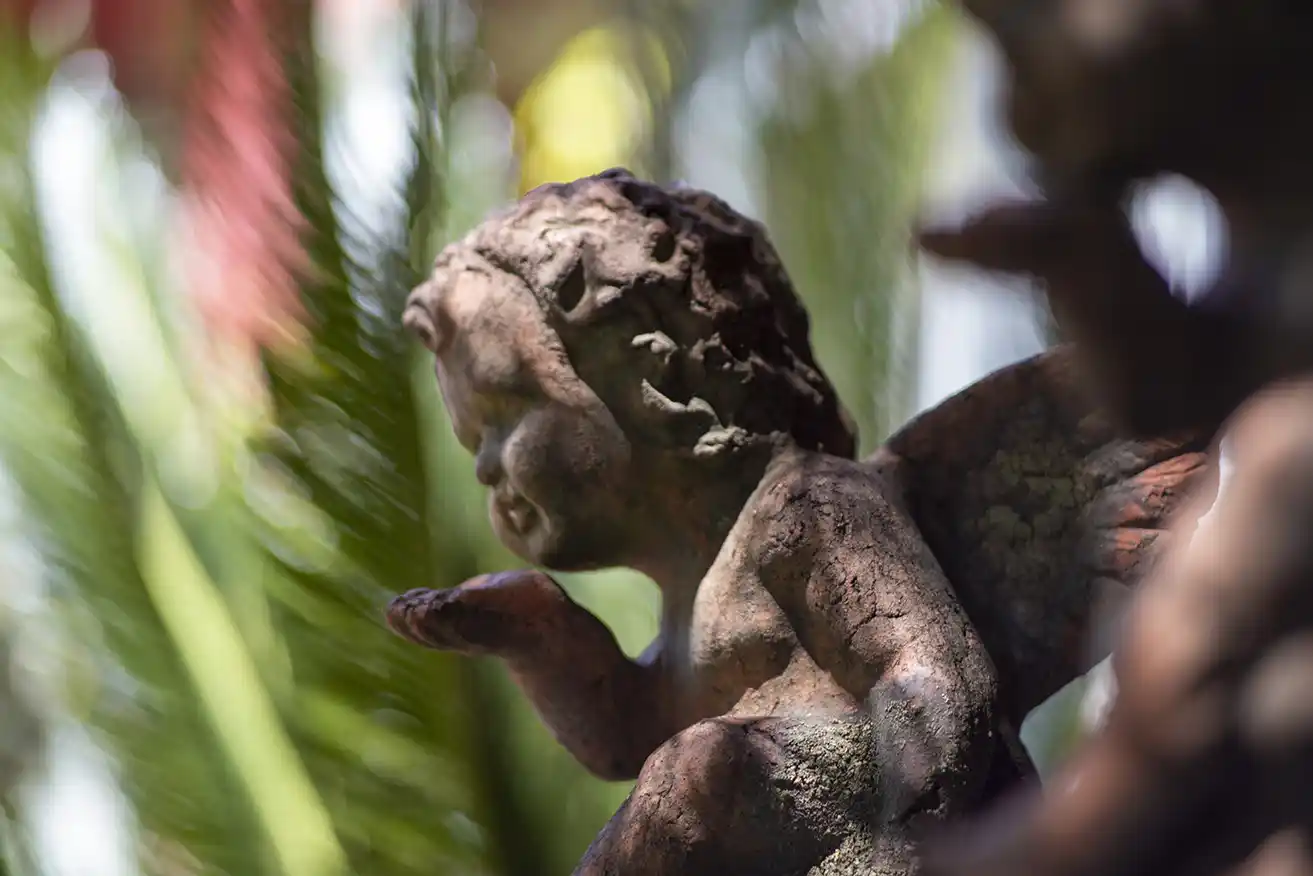
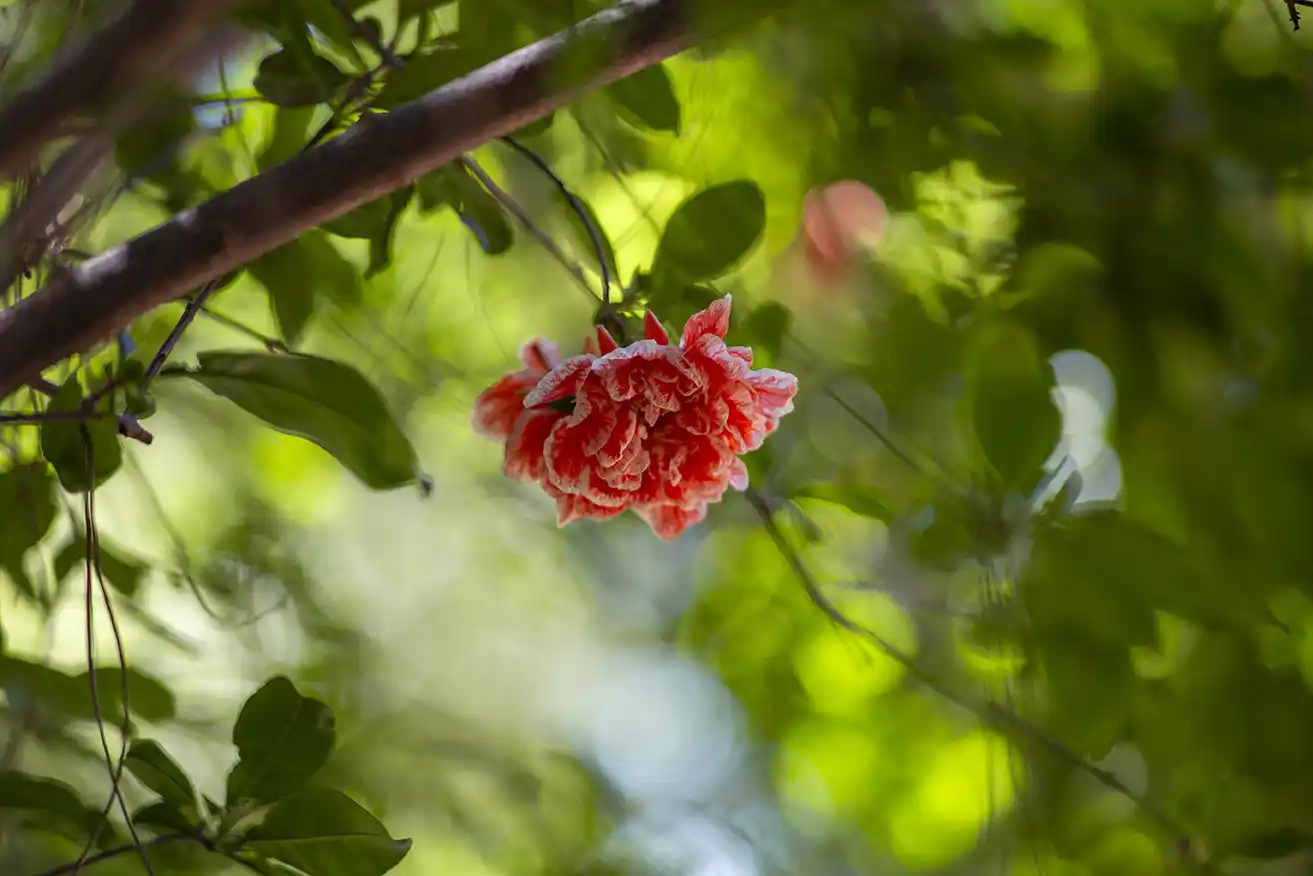
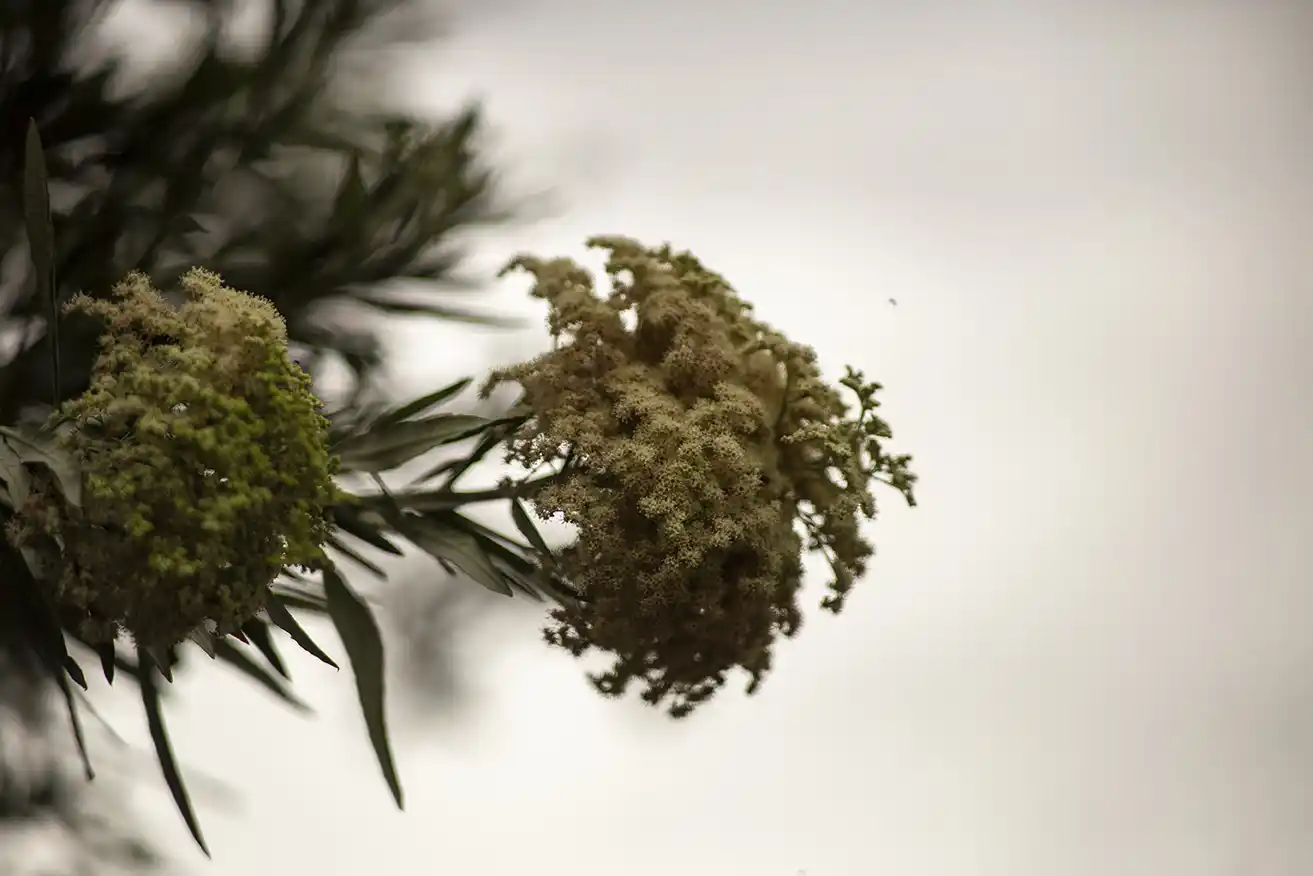
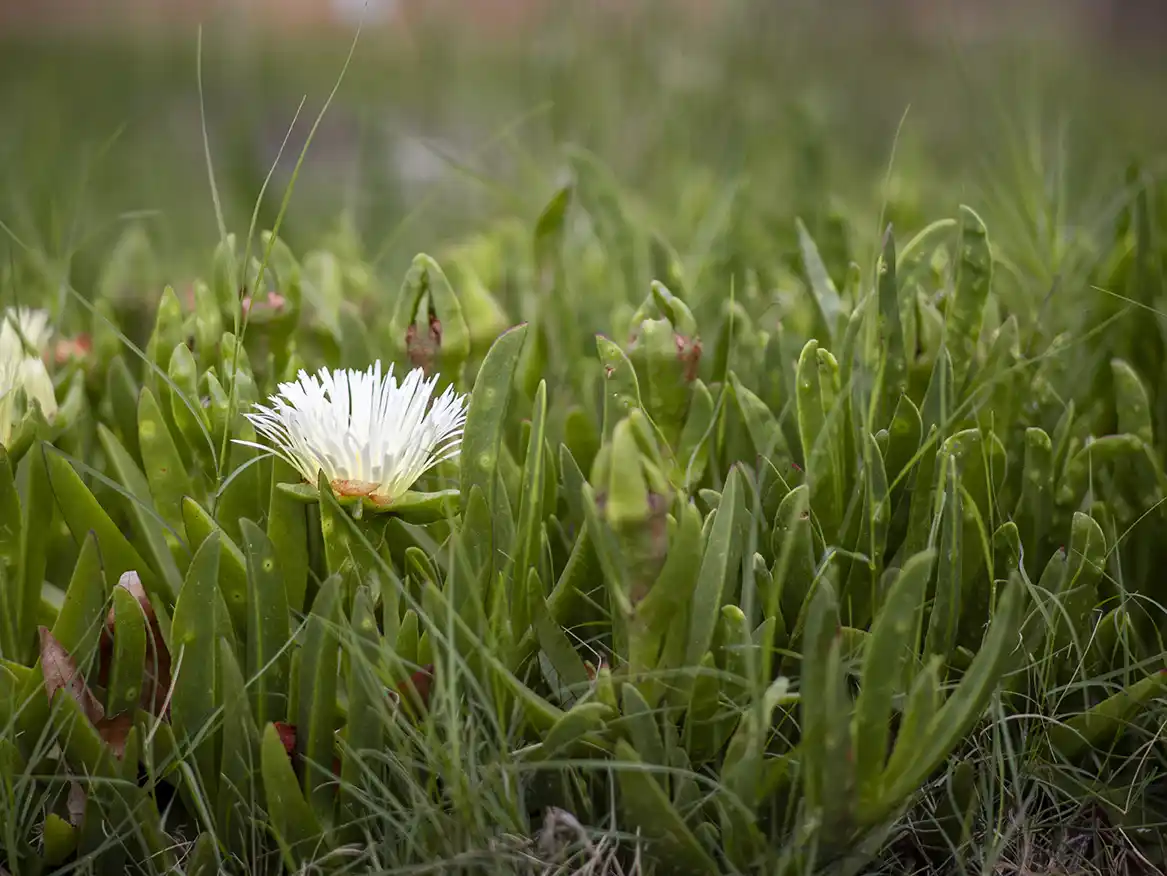
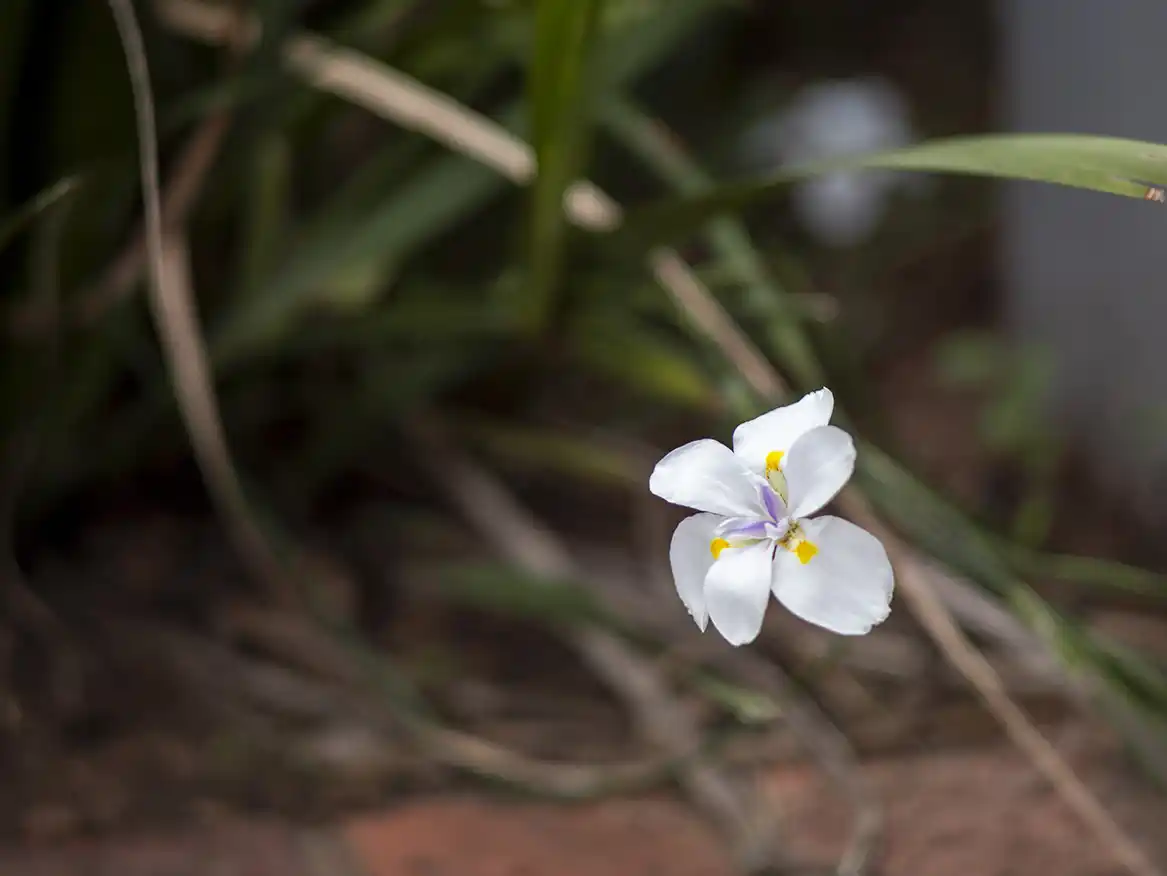
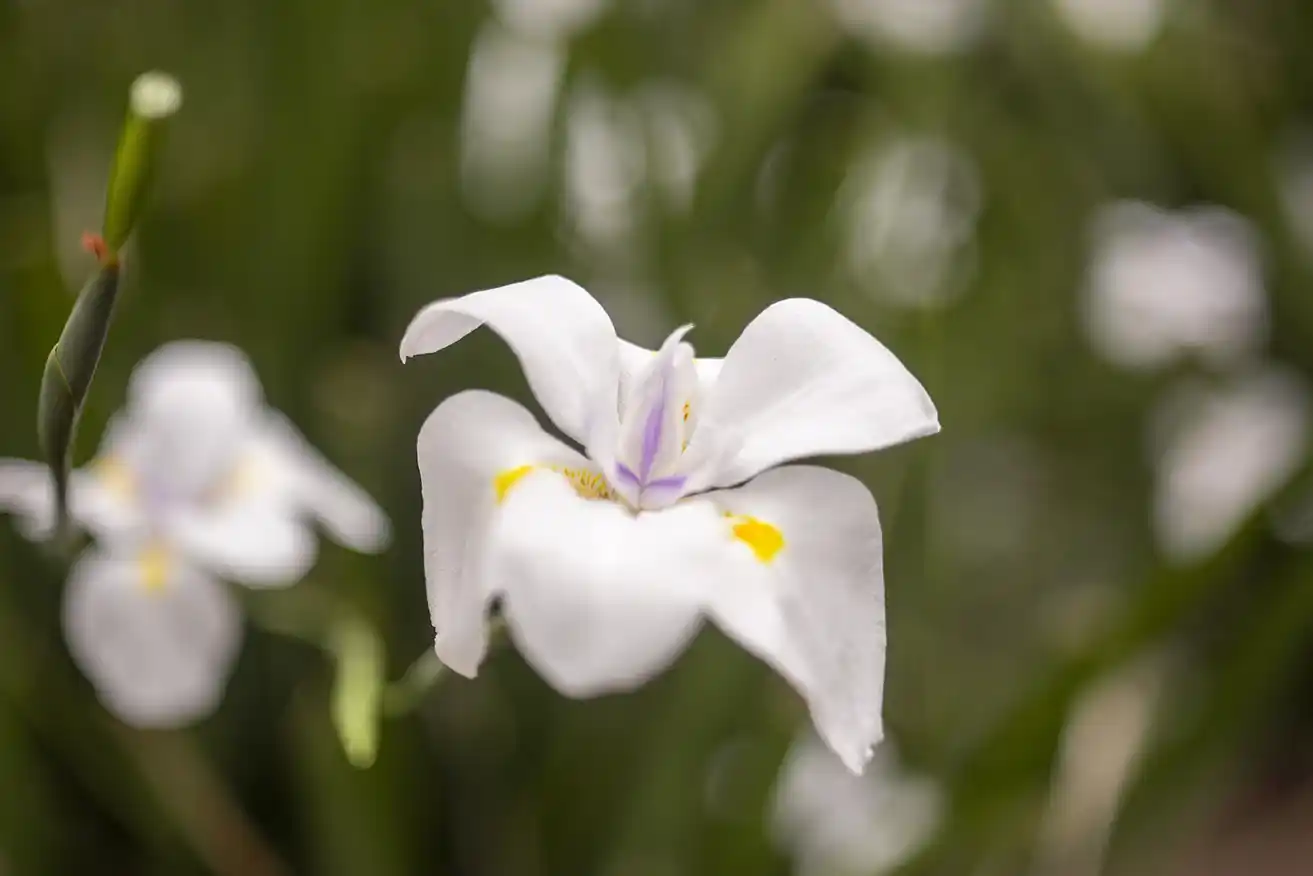
Image Quality and Bokeh
The lens produces some nice rendering, though it isn’t quite as “wild” as some other vintage glass I’ve reviewed. It feels a bit more subdued compared to the extreme “bubble bokeh” lenses out there.
There are some bubbles, but they tend to stay tucked away in the background. Looking through the test photos, I didn’t experience much flaring, except for one specific shot.
In that one, a flare looks almost like a massive bubble. I actually really like the look!
As is usually the case with vintage glass, you’ll see those defined bubbles most when the background is very busy. The color rendering looks great.
The reds are punchy and saturated, and the yellows come across very well too. As you’d expect, once you stop the lens down, the images sharpen up significantly.
Handling and Final Thoughts
On the camera, the lens feels good, even if it is a bit hefty. On a modern mirrorless body, it might feel a little bulky compared to a DSLR, but it balances well enough.
So, in the end, was it worth picking up another Soligor 135mm F2.8? The honest answer is: maybe.
I have a lot of 135mm lenses in my collection because it’s a focal length I truly enjoy. But even though this model inspired my love for vintage glass, I’m not sure how often I’ll reach for it.
It will always have a special spot in my heart for starting this journey, but optically, it feels very middle-of-the-road. It’s not bad, but it’s not world-changing either.
Who would I recommend this to? If you’re looking for a fast, affordable 135mm lens with that “all-metal” vintage feel, go for it. There are much worse ways to spend your money than on a Tokina-built classic like this.
Share this article
Follow us
A quick overview of the topics covered in this article.