How to Use Vintage Lenses on Modern Mirrorless Cameras
Vintage lenses offer a unique character, build quality, and image rendering that modern lenses often can’t replicate. If you’ve ever been curious about mounting these classic optics onto your mirrorless (or DSLR) camera, this guide will walk you through the basics and introduce you to some of the most common lens mounts and adapters.
Why Use Vintage Lenses?
Using vintage lenses on modern cameras provides photographers with access to affordable, high-quality glass that features distinctive optical traits—from swirly bokeh to rich color rendition. These lenses also often feature all-metal construction and tactile manual focus rings, adding to the shooting experience.
Getting Started: You’ll Need an Adapter
To mount a vintage lens to your mirrorless camera, you’ll need a lens adapter. These adapters serve as a bridge between the lens mount and your camera’s mount. Simply:
- Attach the adapter to your camera body.
- Mount your vintage lens onto the adapter.
And you’re ready to shoot!
Note: While this article focuses on mirrorless cameras, many of the concepts and adapters apply to DSLRs too—just make sure you have the correct flange distance compatibility.
A Look at Common Vintage Lens Mounts
Let’s explore some of the most common vintage lens mounts you’ll encounter, along with tips for identifying them and finding the right adapters.
M42 Screw Mount
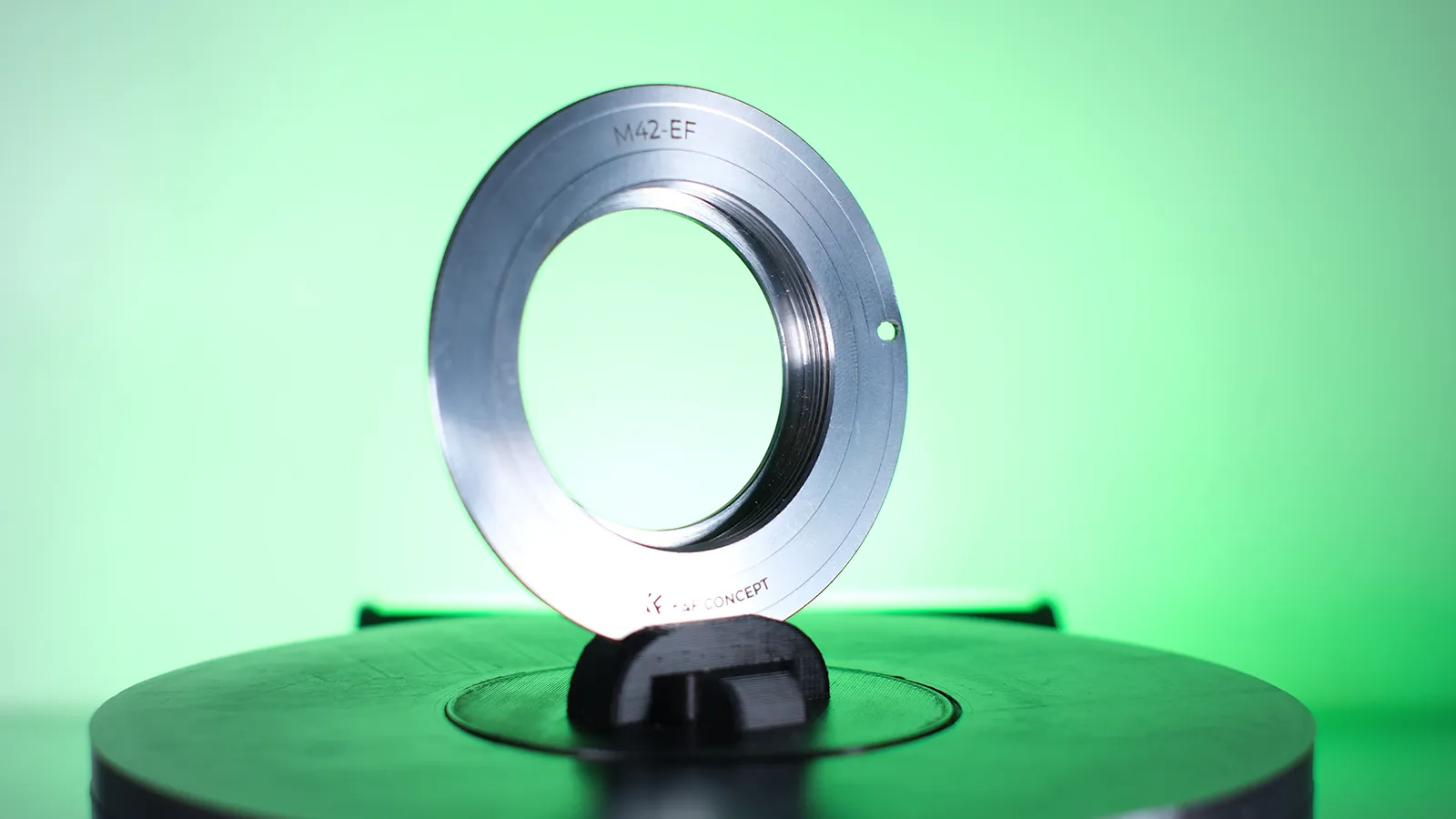
- History: Developed in 1938 by Carl Zeiss (Jena plant).
- Identification: Threaded connection at the lens mount.
- Tip: I use an M42-to-EF adapter combined with an EF-to-Fuji X adapter. It’s a bit of a stack, but it works—just remember: adapters all the way down.
Pentax K (PK) Mount
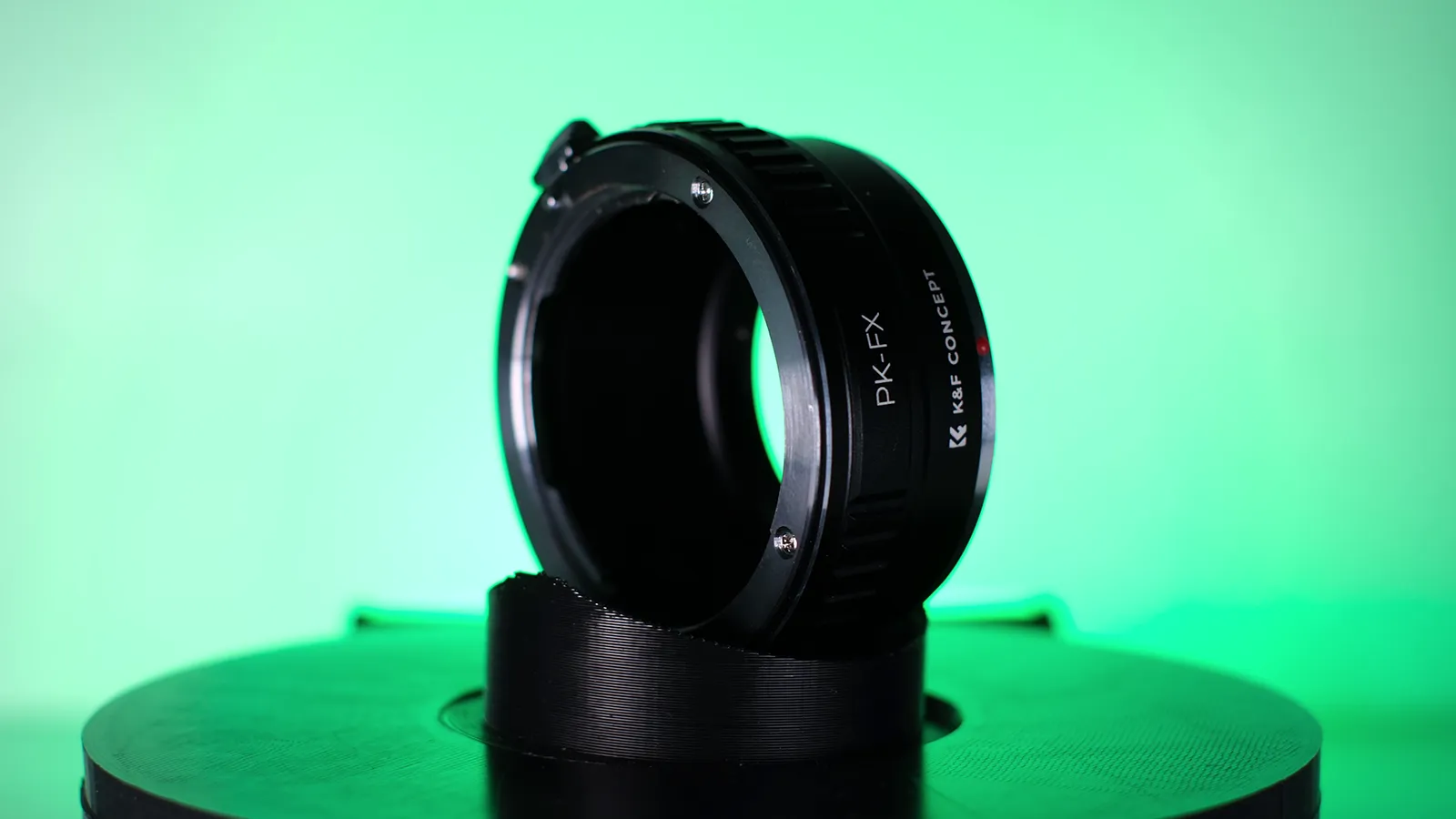
- Introduced: 1975 by Pentax.
- Identification: Three interlocking tabs.
- Caution: Use a dedicated PK-to-X mount adapter. Stacking adapters (e.g., PK-to-EF and EF-to-X) doesn’t always work and can be unstable.
Minolta MD Mount
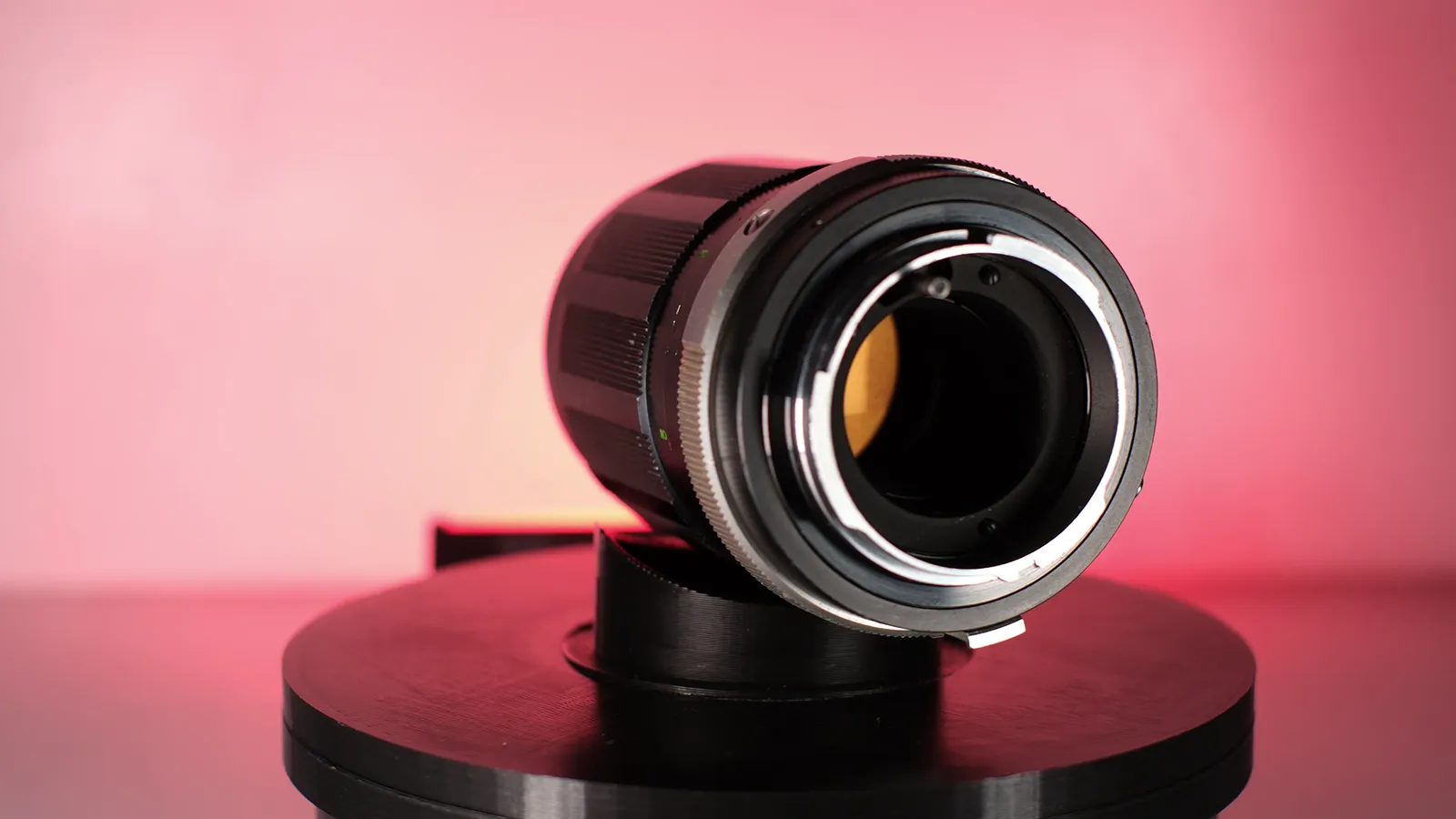
- Introduced: 1977.
- Usage: Found primarily on Minolta lenses.
- Identification: Three small tabs, slightly more compact than other tabbed mounts.
Olympus OM Mount
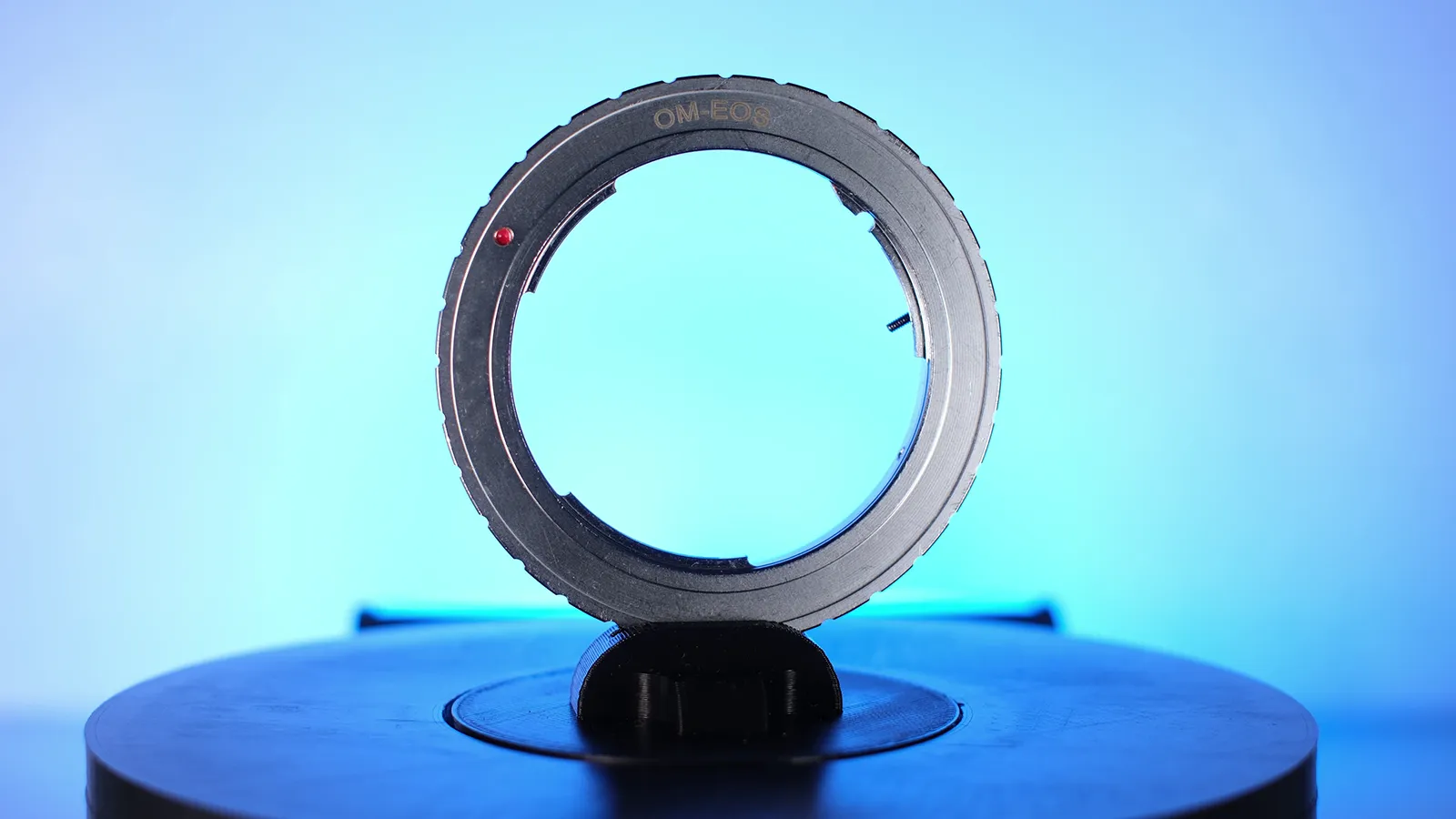
- Designed for: Olympus OM series 35mm SLRs.
- Third-Party Compatibility: While some third-party lenses use this mount, it’s closely associated with Olympus.
- Note: OM lenses are compact and often optically excellent—great for mirrorless systems.
Exakta Mount
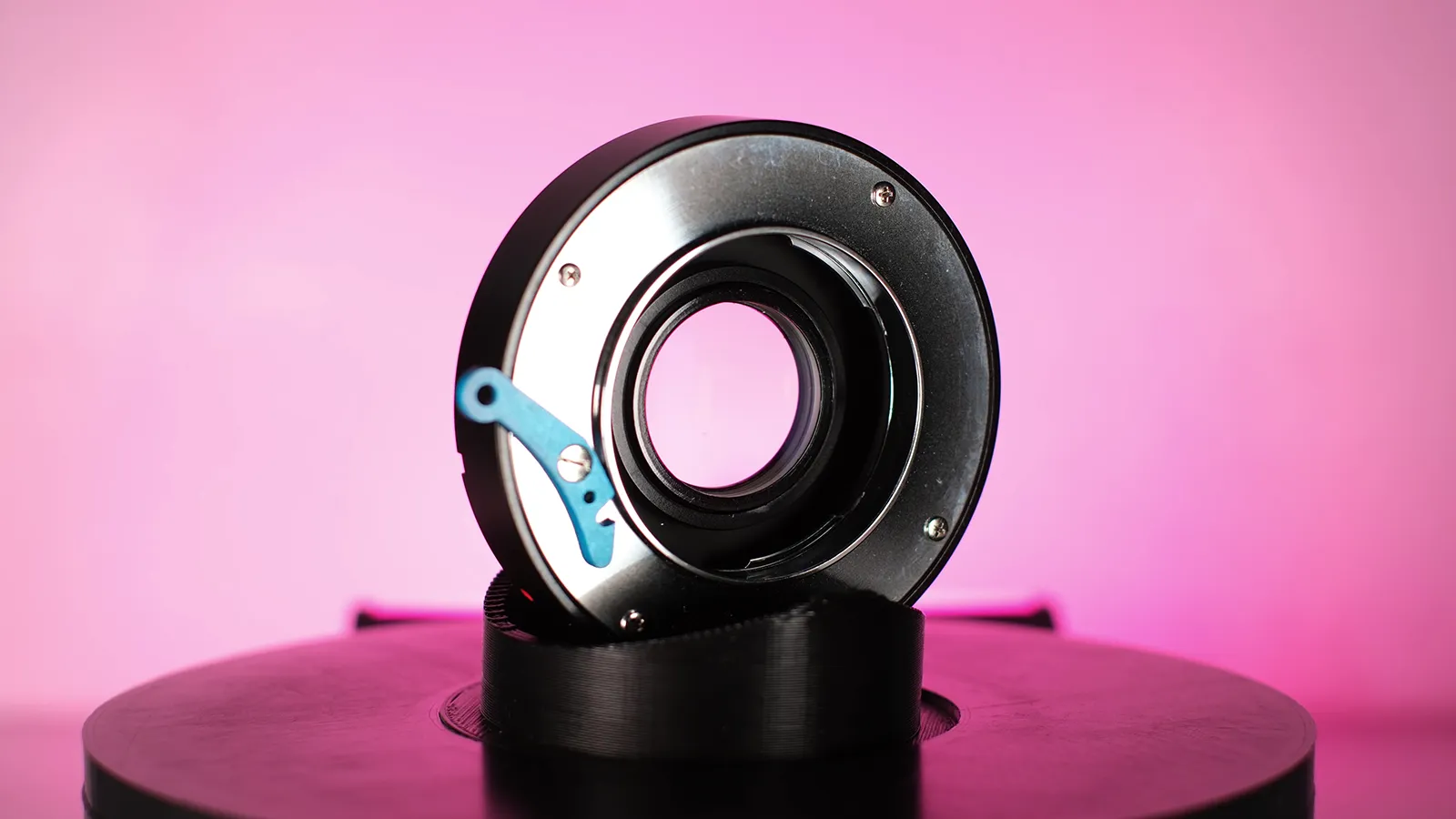
- Observation: I have only one adapter for this mount, and it includes an extra glass element.
- Why Glass? The extra glass compensates for flange distance differences, but may slightly affect image quality.
M39 / Leica Thread Mount (LTM)
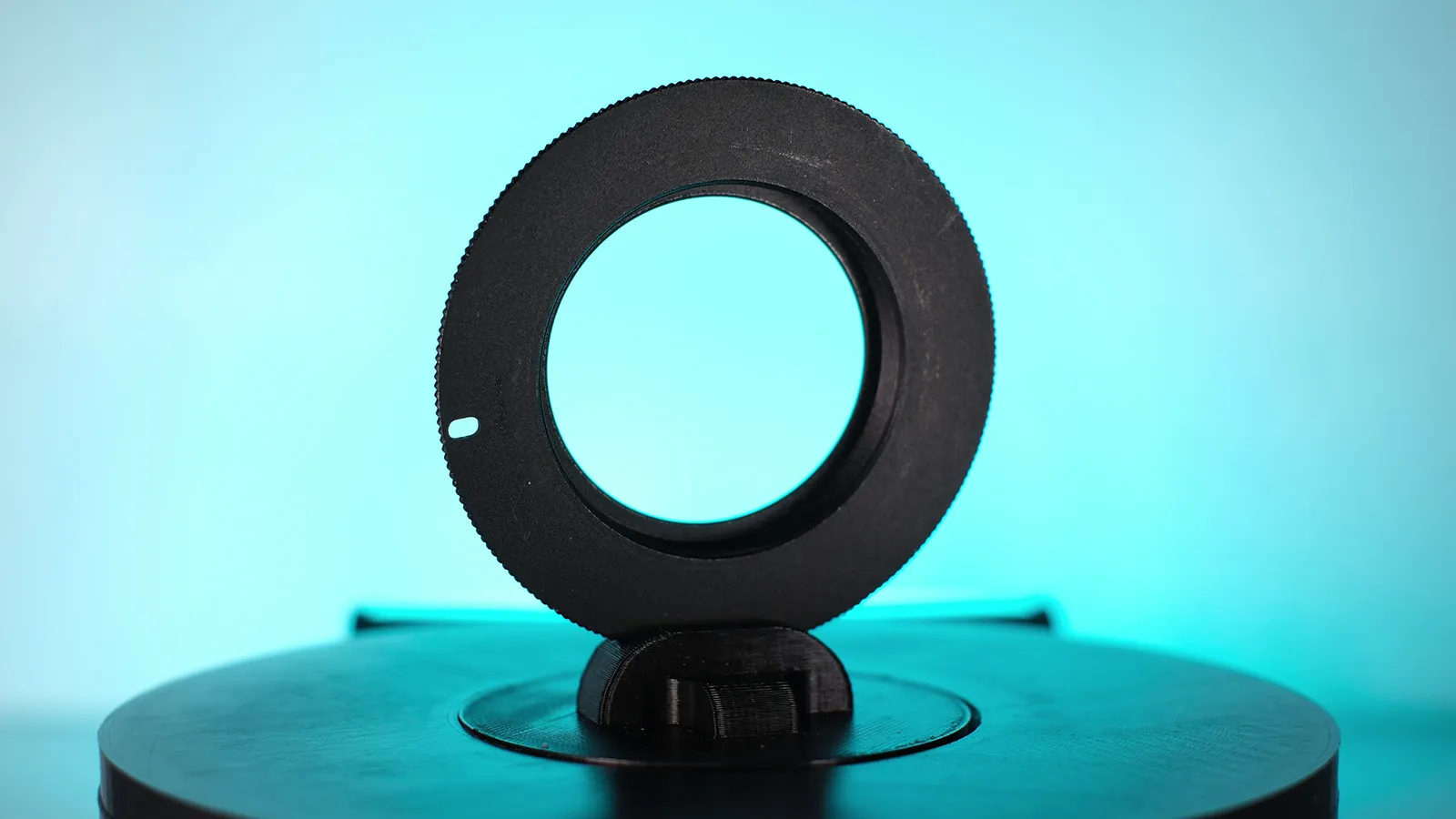
- Introduced: 1930s by Leica.
- Thread Size: 39mm screw thread.
- Usage: Common on rangefinder and enlarger lenses.
- Fun Fact: Despite being mostly replaced by bayonet mounts, M39 lenses are still beloved by enthusiasts and easily adapted to modern systems.
Final Thoughts: Invest in a Good Adapter
While it’s tempting to go for the cheapest adapter available, it’s worth investing in a quality one. Poorly made adapters can:
- Fail to lock the lens securely.
- Loosen during use
- It will be difficult to remove
- Damage your lens or camera.
I’ve personally had frustrating experiences with cheap PK-to-EF adapters that wouldn’t lock properly and were a pain to remove.
Conclusion
Exploring the world of vintage lenses is incredibly rewarding. With the right adapter, you can breathe new life into classic glass and expand your creative possibilities. Hopefully, this guide has helped simplify the process and demystify some of the common mounts.
Have a favorite vintage lens or adapter tip? Share your experience in the comments below or explore more guides here on the site.
Share this article
Follow us
A quick overview of the topics covered in this article.