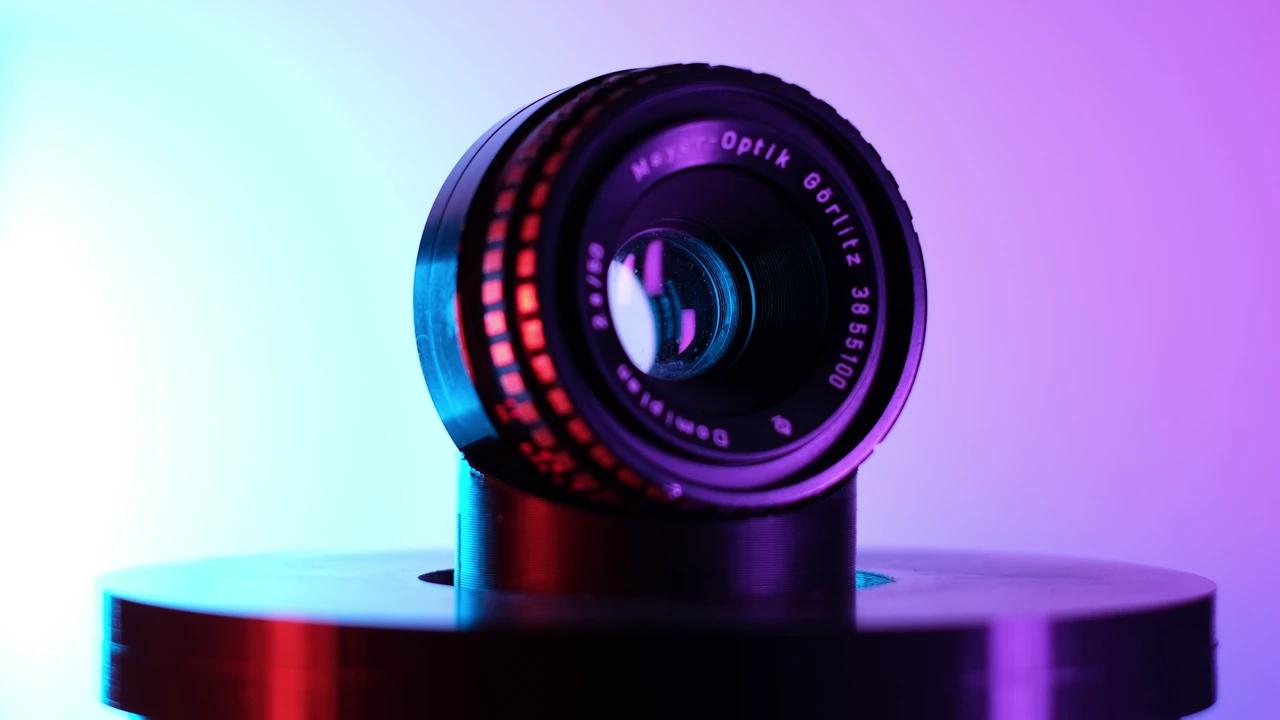
Is this 1960s lens a hidden gem or just another vintage disappointment? Let’s dive into the world of bubble bokeh and questionable sharpness.
The Vintage Promise vs. Reality
On paper, the Meyer-Optik Görlitz Domiplan 50mm F2.8 should be a winner across the board. Low element count? Check. Fast aperture for its era? Check. Classic Cooke triplet lens design? Check.
Yet, when actually using it, this might be the most divisive piece of glass I’ve ever handled. Much like Marmite (that famous British spread with the slogan “you either love it or hate it”), photographers seem to either adore or despise this lens—and after spending time with it, I understand why.
The Wide-Open Challenge
Here’s the stark reality: you simply cannot use this lens wide open—at least not in any conventional way. It’s practically impossible.
Somehow, when shooting at F2.8, almost nothing ends up in focus. I’m not certain if this issue is specific to the M42 mount version I tested or if the Exakta version suffers from the same problem.
But those out-of-focus areas? Oh. My.







Bubble Bokeh: The Unexpected Star
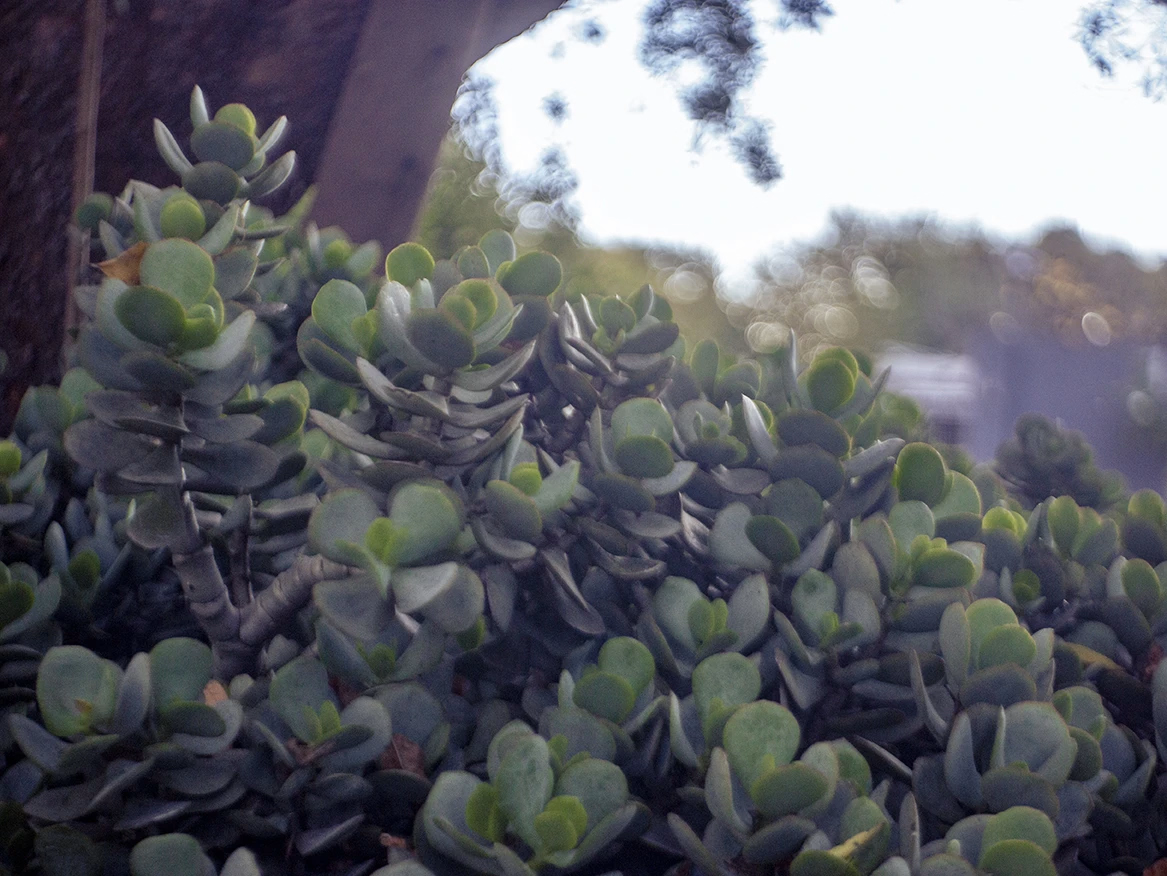
Here’s the stark reality: you simply cannot use this lens wide open—at least not in any conventional way. It’s practically impossible.
Somehow, when shooting at F2.8, almost nothing ends up in focus. I’m not certain if this issue is specific to the M42 mount version I tested or if the Exakta version suffers from the same problem.
But those out-of-focus areas? Oh. My.
A Lens With an Identity Crisis
Ultimately, I’m conflicted about this lens.
On one hand, I adore how it renders when shooting wide open. On the other hand, it’s practically unusable at that aperture. It’s too soft. There’s barely any focus to speak of.
I think this lens has earned its questionable reputation for valid reasons. But I also believe there’s a specific use case where it might shine.
The Reframing: Not a Fast Fifty, But a Creative Tool
The Meyer-Optik Görlitz Domiplan 50mm F2.8 isn’t a traditional fast fifty—it’s a toy lens disguised as vintage glass.
I’ll admit, I got frustrated trying to use it as a standard fast prime because it simply doesn’t behave like one. But what if we think of it like a Holga lens? Something unpredictable where you’re never quite sure if what you’re focusing on will actually be in focus, where “mistakes” at wide apertures become part of its charm?
Could this overlooked lens find new life as an artistic tool? Something photographers use for creative fun rather than technical perfection?
The Verdict
If you’re looking for technical perfection or even reasonable sharpness wide open, look elsewhere. This is not the lens for pixel-peepers or those who demand crisp images.
However, if you’re an experimental photographer who embraces unpredictability, enjoys dreamy, swirly bokeh, and doesn’t mind playing with a lens that has more “character” than precision, the Domiplan might be worth the typically low asking price.
Just remember: you’re not buying a hidden gem of optical engineering—you’re investing in a creative tool with very specific, somewhat temperamental qualities.
And sometimes, that’s exactly what makes photography fun.
Share this article
Follow us
A quick overview of the topics covered in this article.